Gaming is no longer just a pastime. It is a massive creative industry that blends art, storytelling, technology, psychology, and interactive design. Newzoo estimates the global games market at $188.8 billion in 2025 with around 3.6 billion players, which shows how deeply games have become part of modern life. That huge audience is exactly why the industry needs not only players, but creators.
Most people grow up thinking about becoming a gamer. Very few ask a bigger and more exciting question: How do games get built? That question leads to a career path that is creative, practical, and full of opportunity. Game design is for students who love ideas, visuals, challenge, and problem-solving. It is also a strong choice for early college students, freshers, and parents who want a future-ready profession for their children.
Why game design is more than just “making a game”
A game is not simply a character on a screen. It is a complete experience. Someone has to imagine the world, decide the rules, define the challenge, create the levels, balance the difficulty, and make sure the player stays interested from the first moment to the last. Game designers are the people who shape that experience. The U.S. Bureau of Labor Statistics describes game designers as the people responsible for the overall concept and feel of a game, and notes that designers create the blueprint by deciding the mission, theme, and rules of play.
That is why game design appeals to students who enjoy both creativity and logic. It is not only about drawing characters or imagining fantasy worlds. It is also about understanding how players think, what keeps them engaged, and how a game feels when someone actually plays it. Prospects says game design requires a mix of technical and creative skills, and game designers may work with tools and languages such as C#, C++, and Python depending on the role and production pipeline.
This is also what makes game design such a good career conversation for parents. It is a modern profession, but it is not vague or unrealistic. It has a clear learning path, measurable skills, portfolios, and industry roles. A student who starts with the right foundation can move from classroom practice to real projects and eventually to studio work.
What students actually learn in a game design course
A good game design course should never feel like software training alone. Software is important, but software is only the instrument. The real learning begins when a student understands how to think like a designer. That means learning how to create gameplay ideas, build level flow, understand story structure, shape user experience, and turn raw concepts into playable prototypes.
At the technical level, students typically work with game engines, design tools, and creative software. In the gaming industry, tools like Unity, Unreal Engine, Blender, Photoshop, Maya, and scripting languages such as C# and C++ are commonly associated with production and game art workflows. Prospects specifically mentions C#, C++, Python, and game engines such as Unity or Unreal in the context of gaming careers and game art roles.
But the deeper value of a strong course is not the tools alone. It is the environment. Students need practice, feedback, and repeated project work. They need to make mistakes, fix them, and learn how an idea evolves into a finished product. That is where many students grow the most: when they stop thinking like a player and start thinking like a creator. Game development education that focuses on portfolio-building, practical output, and collaboration gives students a better chance of entering the industry with confidence. Prospects also notes that a portfolio of completed projects is vital for design roles.
For a student, this learning journey can be exciting because it connects creativity with career value. One week they may be building a game concept; another week they may be shaping a level, testing a mechanic, or refining a visual element. Over time, they begin to understand how professional game studios work and what it means to deliver something that is both fun and functional.
Career in game design: what opportunities actually exist
The career in game design is broader than many people assume. A student who enters this field is not locked into one narrow role. Depending on talent and specialization, they may move into game design, level design, game art, narrative design, UI/UX for games, technical design, animation support, testing, or production coordination. The game industry is made up of multiple roles that work together, and each role contributes to the final player experience. The BLS and Prospects both point to the collaborative nature of game development, where designers, artists, programmers, and testers all work together on the same product.
For students in Ahmedabad and nearby areas, this is especially relevant because the local education choice matters. You do not need to imagine a career only in Mumbai, Pune, Bangalore, or overseas. You can start building a portfolio from Ahmedabad itself. That local start matters because early success in creative fields often comes from strong mentoring, regular practice, and exposure to real work habits. Once a student has the foundation, the work can travel anywhere.
Game design is also a career that rewards consistent effort. Students who only consume games usually admire the final product. Students who train in game design begin to understand systems, pacing, rewards, difficulty, and visual flow. That deeper understanding becomes an advantage in interviews, internships, and freelance work. As Prospects notes, employers value both coding ability and a portfolio for design-oriented gaming roles.
It is also important for students and parents to understand that this is not a “fast shortcut” career. It is a skill-based career. The students who do best are the ones who are curious, disciplined, and willing to keep improving. That is why an institute with project-based learning and experienced faculty becomes so important.
Why Arena Animation in Ahmedabad is a strong place to begin
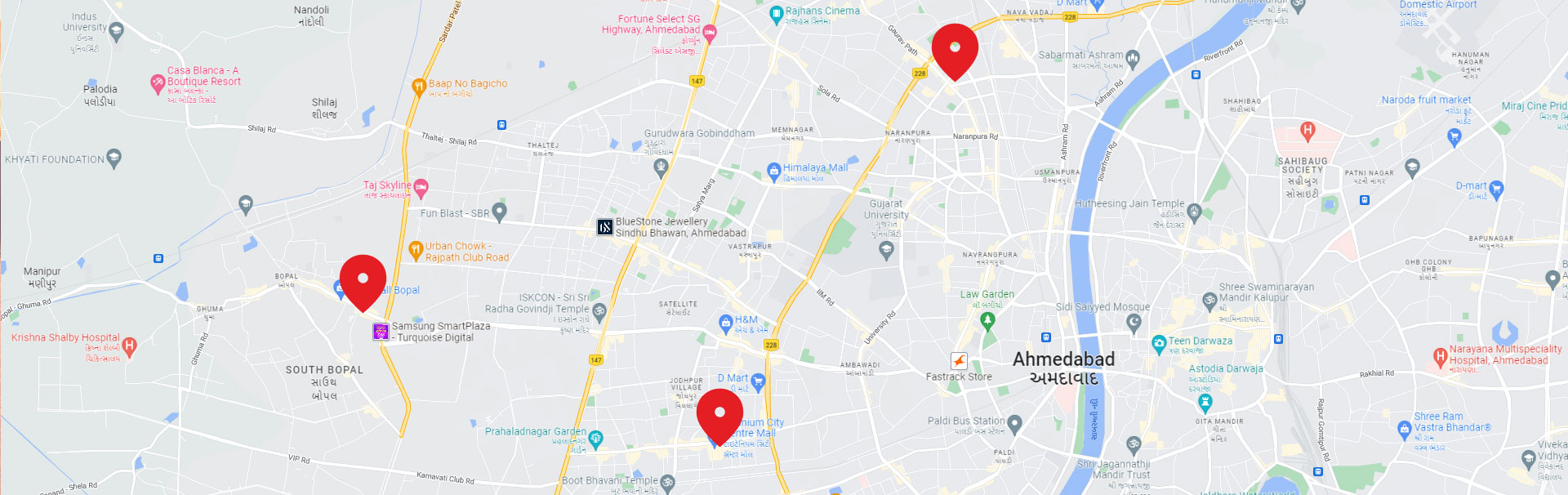
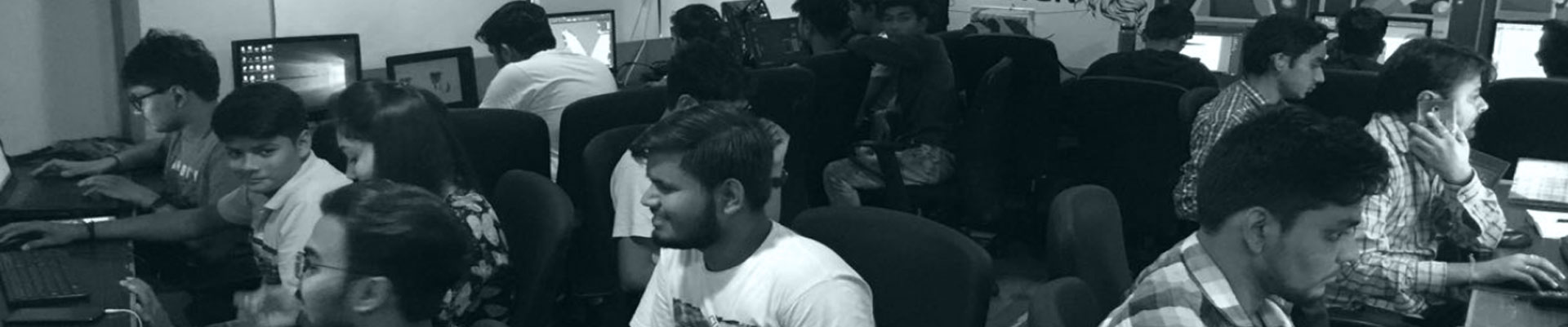
For students searching for a game design course in Ahmedabad, the learning environment matters as much as the course title. Arena Animation Ahmedabad highlights gaming as one of its course categories and says its training is focused on hands-on learning, practical projects, expert interaction through workshops, and placement support. The official Ahmedabad centre also says it operates three branches in Naranpura, Satellite, and Bopal, which makes access easier for students across the city.
That local advantage is important. A student does not just need information; they need repetition, mentorship, and a place to build confidence. Arena Animation’s Ahmedabad pages emphasize step-by-step learning, regular projects, and exposure to industry experts, which is exactly the kind of training model that helps a beginner become job-ready. The centre also presents gaming alongside animation, VFX, and other creative fields, which is useful because modern game careers often overlap with animation, visual design, and interactive storytelling.
Another practical advantage is that students can see the course as a career-building process, not just an academic class. The right training environment helps them produce work they can actually show: sample game concepts, level ideas, visual assets, and prototype thinking. That portfolio becomes a student’s strongest voice when they begin looking for internships or entry-level roles. Since game-related employers often look for completed projects and practical ability, this kind of output is extremely valuable.
For families considering the future of their children, this matters even more. A creative career becomes more believable when the institute provides structure, practice, and industry exposure. That is what turns a passion into a path.
Final thoughts: play the game, or build it
The gaming world is huge, but the biggest opportunities are not only in playing. They are in creating. A student who chooses game design is choosing a field where creativity has commercial value, where technical skills matter, and where imagination can become a professional career. The industry is large, the audience is massive, and the demand for skilled creators continues to grow.
If you are a student looking for direction, a fresher searching for a skill-based career, or a parent thinking about a future-ready education path, game design deserves serious attention. A strong game design course in Ahmedabad can help turn curiosity into competence and interest into a real career. And for students in and around Naranpura, Satellite, and Bopal, Arena Animation offers a local starting point with practical training and project-based learning.
The future of gaming will not be built by players alone. It will be built by the people who learn how to design, create, and tell stories through interactive experiences. That is the opportunity waiting in game design.